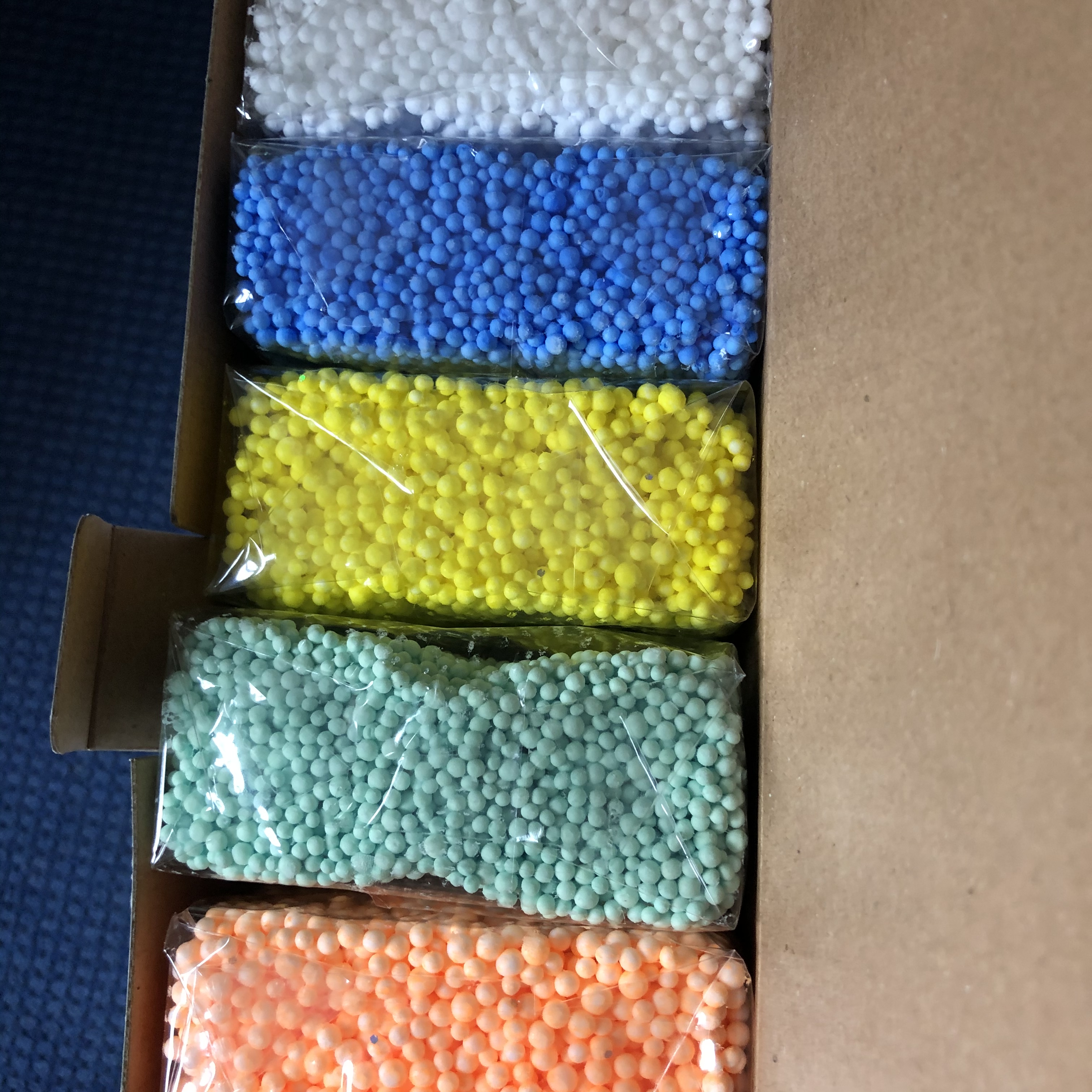
Meeting sensory needs for all ages

The majority of my students have a particular sensory diet that they need to help keep them regulated, but the more students I meet, the more I realise that we all have sensory things that help us concentrate, learn and succeed, these just appear in different formats!

For my daughter (who is currently 6 months old) she needs to explore textures with her body, she needs to be able to roll around and experience the world, which I try to give her opportunities to do!

Some of my students need a break and something active to do midway through a lesson. They may need to leave the room, eat an apple, have a drink, or hide in a blackout tent for a while. Sometimes when a student I am working with is dysregulated I can point them to do one of these things, or I can challenge them to run around a tree outside. Sometimes connection and a sensory need needs to be met, a game of catch is great for this – we can also do it while we learn phonics or maths!
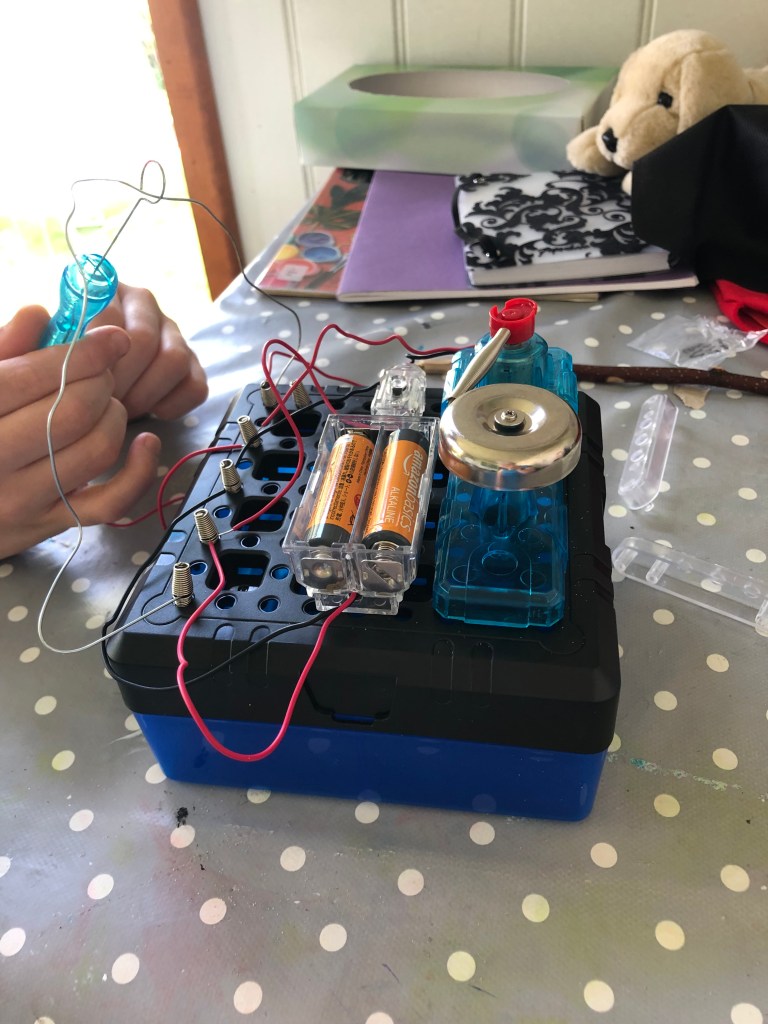
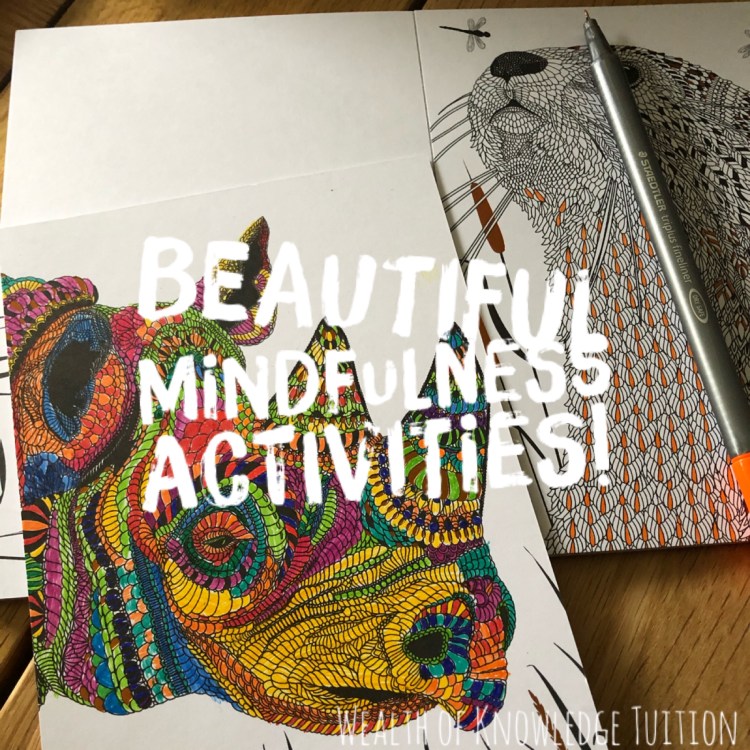
Then there are times when we need something small and mindful to do, so I pull out a 1000-number dot-to-dot, some mindful colouring, diamond art, a model roman empire to make, an electronics project, or some clay to use to make a model about the history project we are doing. While these all meet a sensory need, they also allow us to practise our motor skills, which is very useful too!

There are also times with older students when they just need to get up and stretch, make a cup of coffee, talk about something else for 5 minutes or have a quick wander outside! That is all productive time too, as it allows them to get back to the lesson in a better mindset, more able to learn.

I often work with other professionals that can point the way such as Occupational Therapists and Pyschologists, who can inform how I can meet the needs of my students, but either way, we figure out how to incorporate sensory needs as well as learning, as you can’t have one without the other!

What are your child’s sensory needs and how can they be met during learning?

What does Child-led learning look like?

So I show up at your house and your child is burnt-out, traumatised, and out of love with learning. They may be sitting at the table politely waiting for me (but picking the skin on their fingers) or they might be hiding in their blackout tent, refusing to come out, what do I do as a tutor?

First, my job is to build a relationship, and this can take years to really come to fruition. I must build trust before we can do any learning. I talk to the parents and the child, and I figure out some of their likes and dislikes that I can talk to them about. I probably already have some background information from their parents/carers, other professionals, and their EHCP – I tread carefully.

To start with I might come to each lesson and just talk to them. I’ll bring my bag of tricks and see if they would like to have a go at anything I’ve brought with me – I have crafts, history books, novels, and research projects. I can weave a bit of learning into talking about almost everything, and if there’s any interest I probably have a book about it! I can also figure out what your child might need while they are learning and try and pick up on the clues that they are anxious or need some help regulating. I will attempt to get to know them so well that I can begin to see when they might be open to learning and when they are definitely not!

After the relationship building, the lessons may go a bit like this: I may show up with a book on ancient Egypt as we have started to talk about it, but they may tell me about something else they had read or seen that day! So we switch gears: “The Queen’s Jubilee?” I say, well let’s do some research on this queen/queens in literature/politics/republics/fairytales…. you get the idea!

The next day I might show up and we are back onto the Egypt project and building a sarcophagus out of the boxes I had in my car, carving hieroglyphics into it (handwriting practice!) and checking in the Egyptian book to see if we can make sure it’s historically accurate. We might take a break in the sun and I challenge them to run around the tree thirty times, or your child goes to get a hot chocolate and an apple to help regulate their emotions. They may not be up to doing anything but might be convinced to make some paper chains, or learn cats cradle, they may show me something that they have found and we might talk about Scoobydoo and I somehow weave it back to a lesson on narrative perspective! Sometimes we sit and cross-stitch (great for fine motor skills!) or we colour while I read to you.

We make progress, however slow. Some days we read books, other days we are at loggerheads. Education is hard, but we return to the same place and try again even when we’ve had a hard day together because it’s about the relationship and learning together.

Most days, I learn just as much as the students I teach!

Lego Therapy – Expression of Interest

I am exploring providing private Lego Therapy group sessions in Congleton, Cheshire. I am fully qualified in Lego Therapy and have been providing classes to groups of home educated students for the last year. Lego Therapy was designed to help children with Autism and involves assigning ”roles” to each child and working on their communication skills – while building Lego! I’ve found it very useful for my students with ASD as well as other students with social and communication needs.

If you would like to express your interest in Lego Therapy and receive an email when classes are organised please use the form to sign up below!

https://forms.gle/XRcUDM9Uj9qxiyE77

Choosing the right tutor

So, you’ve decided that your child might benefit from a tutor? Maybe you feel they are struggling at school, or they’ve just been diagnosed with dyslexia or another special educational need and they need some support, how do you find a tutor that can engage with your child and help them to succeed?

Look for a tutor that has experience in either the subject you want help with, or with another aspect of tutoring, such as a particular special educational need. A lot of tutors find that they specialise in a particular area of tutoring. For example, although I have vast experience in English tuition, I now focus on special needs tutoring, particularly in nurturing and therapeutic approaches, which means I often teach a wide variety of subjects!

Meet your tutor over zoom or face to face. Ask them what they like to do in their spare time! Let them spend some time getting to know you and your child. I always insist on initial meetings to see if we can work together effectively, there may be a tutor with a different approach that would work better so an initial meeting makes sure we can call pull in the same direction!

Ask your tutor how they engage with their students! I specialise in working with children that find it very hard to engage with education for a variety of reasons, so I am very used to figuring out ways to get children on board with their education. Sometimes this takes a very long time, but the parents I have worked with will tell you that the results speak for themselves. I am often the first adult (other than the parents/carers) to build trust with a child after a traumatic experience with education. I do this by making education fun, and figuring out many different ways to get to the end goal.

Ask your tutor what their approach to education is. As I am trained as a specialist dyslexia tutor, I approach all tuition, for any child, in a multi-sensory way, which means I use a lot of creative and unusual resources to engage my students. This even applies to my GCSE, A-Level and degree level students. I can be often found crafting a game for a lesson, teaching students to creatively draw a problem out or annotate a poem. I will figure out what works best for each individual child. I am also lucky, as I have an entire room full of resources and a library of books to help support my teaching. If your child hates English, but loves facts about the space race, Egyptians or Volcanoes – I can teach them English through an exploration of their interests instead!

Finally, tutoring is a relationship, so sometimes it is just about finding the right person, whether they have qualifications or specialisms in particular areas or not. It always comes back to this learning relationship and the ability of the teacher to show up and be trusted by the parents and child for an educational relationship. I have engaged in CPD and with other professionals over the years, when I have worked with a child where we had a brilliant relationship, but to begin with I didn’t know about brain injuries for example. I love to learn and support my students, so I am always happy to engage with other professionals to make sure I am learning about the needs of my students all the time. Ultimately, it comes back to working together and trusting each other enough to learn together.

What question would you ask your tutor? What would tell you what you needed to know about them professionally or personally?

Here’s me on my PhD graduation day!

Engaging Students who are reluctant to learn

I’ve worked with lots of students that are reluctant to learn and it is something that I specialise in, really engaging with students, who are traumatised or scared of education.

Often this is because of a special educational need, which has meant that it has been hard for them to access the curriculum. They may feel behind or not understand what is happening in a particular subject. Sometimes students have completely disengaged with learning and need a long transition back towards any kind of work.

Sometimes, students are seeking connection. Making these connections makes it easier for them to learn. A lot of my students are demand avoidant for one reason or another.

This can look like:

  • Arriving late for lessons
  • Talking about a different subject
  • Looking out of the window
  • Yawning, looking away, failing to make eye contact
  • Telling me ”no!”
  • Ripping up work, scribbling over work
  • Taking a long time to finish a project
  • Walking away from a lesson

This is where the challenge to me lies. I have had lots of students who have employed one or more of the above strategies and what I return to each time is an opportunity to make a connection, make the child understand that I am on their side and figure out a way through. This means that I often have to prioritise the relationship with the child before any real academics begins, but this is much more fruitful in the long run! It also means that I adopt a child-led approach to education. If my student wants to talk to me about dinosaurs, Scooby-Doo or volcanoes, I can figure out a way to use this interest to engage them in a lesson. I have made books around favourite subjects, played games, talked about political and historical issues using the context of TV or podcasts and figured out ways to be trusted to be on a journey with them to learn.

I also sometimes have to consider their sensory needs, some of my students need to run around outside for 5 minutes, or need a drink and a snack to help regulate their emotional state. I spend a lot of time observing my students so that with time I can notice their change in state and step in before they dysregulate.

I also admit that I can make mistakes myself, that I don’t know everything and this helps my students see that we can learn together. Ultimately, if you have a child that can’t engage in education, usually because their needs are not being met in some way, finding a way in is the most important part of my job.

Tutoring is a job that is focused on a relationship between tutor and tutee and prioritising this relationship before academics is what makes reluctant students begin to join in. Do you remember a teacher or adult that focused on your needs, encouraged and spoke to you on your level so you could succeed? That is what I want to do for my students every day!