Typical Day as a Tutor

I’ve been tutoring since 2017 and every day is different! I previously worked full-time as a tutor, but now I do part-time hours to fit around caring for my own little one. That said my working days still follow a similar pattern!

As a special needs tutor, my days are filled with meaningful interactions, creative lesson planning, and a commitment to supporting the unique needs of my students. In this blog post, I will take you through a typical day in my life, where I embrace child-led learning and incorporate multi-sensory activities to foster engagement, learning, and growth for students with special needs.

Morning: Preparing for the Day

Each day begins with me preparing for individual sessions or small group activities. I carefully review the goals, objectives, and specific needs of my students, ensuring I have a deep understanding of their learning profiles. Gathering materials, resources, and multi-sensory tools that will enhance their learning experiences is a vital part of my preparation. I create a structured and adaptable learning environment that caters to their diverse sensory needs and learning styles.

Engaging in Child-Led Learning

As my students arrive, I greet them warmly, creating a safe and welcoming space where they feel comfortable and supported. To initiate the day’s activities, I give them choices and encourage them to express their preferences and interests. By observing and communicating with my students, I identify areas where they show enthusiasm or curiosity, using these as starting points for our lessons.

Multi-Sensory Activities: Learning in Action

One of the cornerstones of my teaching approach is the incorporation of multi-sensory activities. I design activities that stimulate multiple senses, creating a rich and engaging learning experience for my students. For instance, if our goal is to develop fine motor skills, I introduce activities like finger painting, playdough manipulation, or sensory bins filled with different textures. These activities allow my students to explore, create, and learn through tactile and visual experiences.

To make academic subjects come alive, I integrate my students’ interests into our lessons. If a student shows a fascination with animals, for example, I design a math lesson using animal-themed manipulatives or create a science experiment exploring the habitats of different animals. By incorporating their passions, I tap into their intrinsic motivation, making learning meaningful and enjoyable.

Individualized Instruction and Support

Throughout the day, I provide individualized instruction and support tailored to each student’s unique needs. I adapt my teaching strategies, materials, and resources to cater to their learning styles, preferences, and abilities. Visual aids, assistive technologies, and verbal cues are just a few examples of the tools I use to facilitate comprehension and communication.

Observation and Assessment

While engaging in child-led activities, I closely observe and assess my students’ progress. I record my observations, noting their strengths and areas for improvement, which helps me adjust my teaching strategies accordingly. This ongoing assessment allows me to tailor future lessons, set new goals, and provide the appropriate support for their individual growth.

Encouraging Independence and Collaboration

Fostering independence and collaboration is a vital aspect of my role as a special needs tutor. I encourage my students to make choices, solve problems, and express their thoughts and ideas. Through collaborative activities, such as group projects or peer learning, my students develop social and communication skills while learning from and supporting each other.

Afternoon: Reflection and Communication

Towards the end of the day, I take time to reflect on my students’ progress, challenges encountered, and successful strategies employed. I document my observations, make adjustments to lesson plans, and prepare individualized feedback for parents or caregivers. Open communication with families is crucial, as it allows me to share insights, celebrate achievements, and collaborate on strategies that can be reinforced at home.
Exploring EOTAS: Education Other Than School

Introduction

In the field of education, the needs of students can differ considerably. While traditional school settings suit many, there are instances where an alternative approach becomes necessary. This is where EOTAS (Education Other Than School) comes into play. EOTAS is a term used to describe educational provision for students who, for various reasons, cannot attend mainstream schools. In this blog post, we will delve into what EOTAS is, its purpose, and the benefits it offers to students in need of alternative educational options.

Understanding EOTAS

EOTAS is an overarching term that encompasses a range of educational programmes and provisions designed to cater to students who are unable to attend regular school due to various circumstances. These circumstances may include medical conditions, social or emotional difficulties, exclusion from school, or other exceptional circumstances that hinder their ability to participate in conventional schooling.

Types of EOTAS Provision

  1. Home Tuition: In some cases, students unable to attend school receive home tuition, where qualified teachers provide one-on-one instruction in the student’s home or an alternative location. This ensures continuity in their education and allows for tailored support.
  2. Hospital Education: Children and young people receiving medical treatment in hospitals or other healthcare settings can benefit from hospital education programmes. Specialised teachers deliver education in these environments, ensuring that their learning continues during their time away from school.
  3. Alternative Education Centres: Alternative education centres, also known as learning centres or pupil referral units, offer a supportive learning environment for students who have been excluded from mainstream education due to behavioural or social challenges. These centres provide personalised support and interventions to help students reintegrate into mainstream education or transition to other appropriate educational pathways.
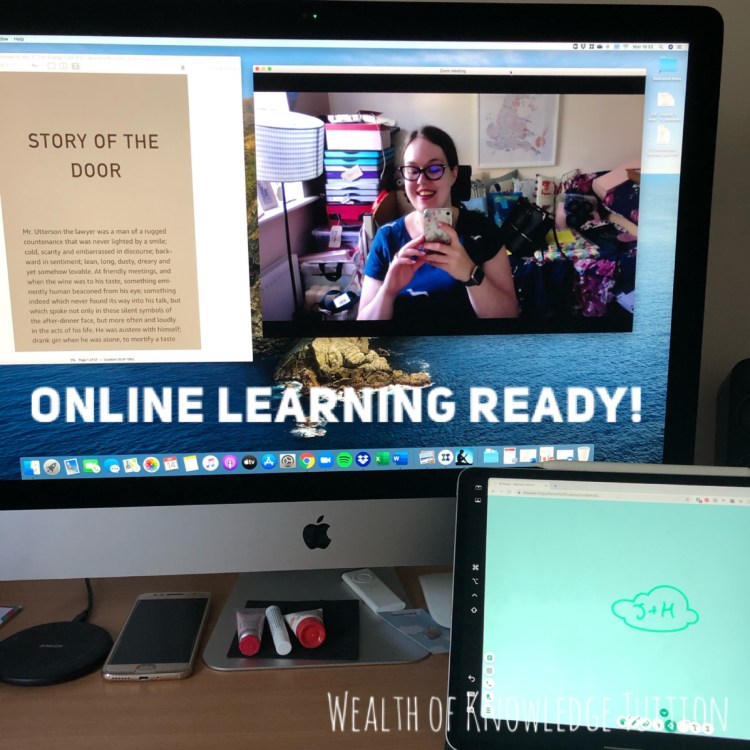
  4. Virtual and Online Learning: EOTAS can also include virtual or online learning options, where students access education remotely through digital platforms. This approach provides flexibility, particularly for students who may have mobility issues, live in remote areas, or require individualised pacing of their studies.

Benefits of EOTAS

  1. Personalised Learning: EOTAS programmes often provide individualised learning plans tailored to the specific needs of each student. With smaller class sizes or one-on-one instruction, educators can focus on addressing students’ unique learning styles, strengths, and areas requiring additional support.
  2. Continuity of Education: EOTAS ensures that students who are unable to attend mainstream schools due to medical, social, or emotional challenges can still receive an education. By providing structured learning experiences, EOTAS helps prevent gaps in education and supports students’ academic progress.
  3. Enhanced Support and Well-being: The smaller, more intimate settings in EOTAS programmes allow educators to provide additional support and nurture students’ well-being. This can include emotional support, social skills development, and individualised strategies to address any barriers to learning.
  4. Reintegration Opportunities: For students who have experienced exclusion or disengagement from mainstream education, EOTAS programmes offer a chance for them to re-engage with learning and develop the skills necessary to transition back into regular schooling or other suitable educational pathways.
  5. Flexibility and Adaptability: EOTAS provisions often offer flexible scheduling, alternative learning environments, and personalised approaches, catering to the unique circumstances and needs of each student. This flexibility allows for accommodations that may not be readily available in traditional school settings.

Conclusion

Education Other Than School (EOTAS) serves as a valuable alternative for students who, due to various circumstances, cannot attend mainstream schools. By offering personalised learning, continuity of education, enhanced support, and flexibility, EOTAS programmes ensure that every student has an opportunity to learn and thrive. Through these alternative educational provisions, students can overcome challenges, develop essential skills, and achieve academic success.

Empowering Success: How Tutors Can Mentor Students to Improve Exam Confidence

Introduction

Exams can be a source of anxiety and stress for many students. The pressure to perform well can affect their confidence and hinder their ability to demonstrate their true knowledge and abilities. However, with the support and guidance of a skilled tutor, students can not only acquire the necessary knowledge but also develop the confidence needed to excel in exams. In this blog post, we will explore the ways in which tutors can serve as mentors and empower students to overcome exam-related anxieties and boost their confidence.

  1. Establishing a Positive Learning Environment

One of the key roles of a tutor is to create a safe and supportive learning environment. By fostering an atmosphere of trust and understanding, tutors can help students feel comfortable asking questions, seeking clarification, and expressing their concerns about exams. Encouraging open communication and active participation establishes a foundation for building confidence.

  1. Identifying Strengths and Areas for Improvement

Tutors play a crucial role in identifying and nurturing students’ strengths while pinpointing areas that require improvement. By recognizing their strengths, tutors can help students feel more confident in their abilities. Simultaneously, tutors can work with students to address weaknesses, developing strategies and study plans tailored to their specific needs. By focusing on individual growth and progress, tutors instill a sense of confidence and competence in their students.

  1. Developing Effective Study Strategies

Exam success is not solely determined by knowledge but also by effective study strategies. Tutors can guide students in developing study routines that work best for them, helping them manage their time effectively, set achievable goals, and adopt active learning techniques. By teaching students how to break down complex concepts, revise effectively, and practice exam-style questions, tutors equip students with the necessary tools to approach exams with confidence and preparedness.

  1. Practicing Mock Exams and Test-Taking Skills

One of the most effective ways to boost exam confidence is through practice. Tutors can simulate exam scenarios by conducting mock exams, allowing students to familiarize themselves with the format, time constraints, and question types. These practice sessions help students become more comfortable with the exam environment and improve their time management and problem-solving skills. By providing constructive feedback and highlighting areas for improvement, tutors can further refine students’ exam strategies.

  1. Building Self-belief and Positive Mindset

A significant aspect of exam confidence is the development of a positive mindset. Tutors can inspire and motivate students, reinforcing their belief in their abilities and potential. By acknowledging their efforts and progress, tutors instill a sense of self-worth and confidence in students. Additionally, tutors can teach students techniques to manage exam-related stress, such as deep breathing exercises, positive self-talk, and visualization. These strategies empower students to approach exams with a calm and positive mindset.

  1. Setting Realistic Expectations

Tutors help students set realistic expectations for themselves, emphasising that exam success is not solely defined by scores but by their overall effort and growth. By focusing on progress rather than perfection, tutors help students understand that setbacks and mistakes are part of the learning process. Encouraging a growth mindset and emphasizing the value of learning from failures fosters resilience and self-confidence in students, even when faced with challenging exams.

Conclusion

Tutors possess the unique opportunity to mentor and guide students not only in academic knowledge but also in building exam confidence. By creating a positive learning environment, identifying strengths, and addressing weaknesses, tutors empower students to develop effective study strategies and practice exam techniques. Through encouragement, support, and a focus on growth, tutors instill in students a belief in their abilities and foster a positive mindset. By working closely with tutors, students can approach exams with newfound confidence, unlocking their true potential for success.

Unlocking Potential: The Advantages of Using a Level 5 Dyslexia Specialist Tutor

Introduction

Dyslexia is a learning difference that affects millions of individuals worldwide, impacting their ability to read, write, and spell effectively. However, with the right support and intervention, individuals with dyslexia can overcome these challenges and reach their full potential. One valuable resource in this journey is a Level 5 Dyslexia Specialist Tutor. In this blog post, we will explore the advantages of utilizing the expertise of such professionals and how they can make a profound difference in the lives of individuals with dyslexia.

  1. In-depth Understanding of Dyslexia

Level 5 Dyslexia Specialist Tutors possess a comprehensive understanding of dyslexia, including its causes, symptoms, and associated learning challenges. Their advanced training equips them with specialized knowledge, enabling them to recognize and address the unique needs of individuals with dyslexia. By working with a specialist who is well-versed in dyslexia, learners can receive tailored support that aligns with their specific learning profile.

  1. Customized Instructional Approaches

One of the significant advantages of a Level 5 Dyslexia Specialist Tutor is their ability to provide personalized instruction. They can identify the most effective teaching methods and strategies for each individual based on their strengths, weaknesses, and learning style. By utilizing evidence-based practices, such as multisensory instruction, structured literacy approaches, and assistive technologies, tutors can help dyslexic learners improve their reading, writing, and spelling skills while building their confidence.

  1. Individualized Remediation Plans

Level 5 Dyslexia Specialist Tutors are skilled in conducting comprehensive assessments to identify the specific areas of difficulty for each learner. Based on the assessment results, they can develop tailored remediation plans that target the specific challenges faced by the individual. These plans address underlying skills, such as phonological awareness, decoding, fluency, and comprehension, aiming to close the gaps in the learner’s literacy skills. With a personalized approach, dyslexic individuals can make significant progress and overcome obstacles more effectively.

  1. Emotional Support and Confidence Building

Living with dyslexia can often lead to emotional challenges, including frustration, low self-esteem, and anxiety about academic performance. A Level 5 Dyslexia Specialist Tutor understands the emotional impact dyslexia can have on learners and creates a supportive environment where they feel understood and encouraged. By building a positive rapport and fostering a growth mindset, tutors help dyslexic learners develop resilience, self-advocacy skills, and a belief in their own abilities. This emotional support is vital in empowering learners to embrace their strengths and work through challenges with confidence.

  1. Collaboration and Advocacy

Level 5 Dyslexia Specialist Tutors not only work directly with dyslexic learners but also collaborate with other professionals, such as teachers, speech therapists, and educational psychologists. This collaborative approach ensures a holistic support system for the learner, with everyone involved working towards shared goals. Additionally, dyslexia tutors can advocate for appropriate accommodations and assistive technologies in educational settings, ensuring that learners have the necessary resources to thrive academically and reach their potential.

Conclusion

Choosing a Level 5 Dyslexia Specialist Tutor can be a game-changer for individuals with dyslexia. Their specialized knowledge, personalized instructional approaches, and comprehensive support can help dyslexic learners overcome challenges, develop essential skills, and build self-confidence. With their guidance and expertise, dyslexic individuals can unlock their true potential, navigate the educational landscape more effectively, and pursue their aspirations with renewed hope and determination.

How can I help with GCSE and A-Level Students?

I do a lot of special needs tutoring for those students who need help who are out of school or have additional needs, but I also tutor a lot of GCSE and A-Level students, including those with and without dyslexia and other learning difficulties – how can I help your child progress before their exams?

I am a super-specialist in GCSE English and have taught over 100 students GCSE English, ensuring they get the grades they deserve. I love trying to inspire a love of English even in the most reluctant students who avoid any chance to read or write outside of school! Many of my students have come to me in the past because they are really struggling – even if it is just with one aspect of English – but I have been able to help them improve their grades. I have taught students who just need a passing grade to move on, as well as those aspiring for a 9.

I have also taught A Level English Language, Literature, Literature & Language, and Sociology. I really enjoy working with older learners as we can talk about the topics in more depth. Due to my extensive background in academia, I can also often provide context or talk about other connected works. This can help flesh out the topic in more detail so that students feel more confident about how all their topics connect up. To see more about where my academic life has taken me, please see my qualifications and experience here (https://wealthofknowledgetuition.com/2022/03/08/qualifications-experience-2/ and feel free to ask any questions – like what is Medical Humanities?!)

For many of my students, I can also offer a lot of support with study skills, which is something that is really hard to pick up all of a sudden when working towards exams. I have had a lot of experience studying and refining my study skills over 10 years at university and I love passing on my tips and tricks to my students too!

One thing that makes me really successful at teaching teenagers is that I am super approachable and easy to get along with, yes a lot of them cringe at my references, but I can usually get a smile or a laugh even out of the most reluctant learners and I try really hard to engage and relate to my students. (Please check out some of my testimonials on Facebook to see what other parents say about my approach to teaching! https://www.facebook.com/wealthofknowledgetuition/reviews/)